In this blog, Kristina Van Dexter, Creative Submissions co-editor (with Prue Gibson) of Plant Perspectives reflects on her deep engagement with the relations and languages of plant life that compose forest-worlds.
Listen closely to the language of the forest – the decay and decomposition, the generative relations of fungi and roots, the rhythmic comings and goings of pollinators. This is a living language of collective emergence, embodied in relations of death nourishing life. Tuning into these diverse forest languages initiates the critical work of decolonising our relations with plants to orient our collective futures.
For centuries, colonial language has inscribed itself onto forests and plants, disrupting the relations, including embodied languages and Indigenous epistemologies, that compose their diverse life-worlds. This rending of relations is directly connected to the ecocidal destruction we face today. By listening deeply, we can tune into the traces of lost futures. Forest futures – indeed, our collective futures – depend on repairing and reclaiming these ruptured relations. This calls for new lexicons grounded in reparative relationality, languages of emergence that open to futures grown from destruction.
This is the work of poets, artists, curators, and communities on the frontlines of forest defence – to listen deeply, to dwell in the thresholds of language’s limits, and to compose new lexicons that emerge from embodied encounters with plants. It opens the generative possibilities of translation itself, where language is transformed in reciprocal relation with the other-than-human world.
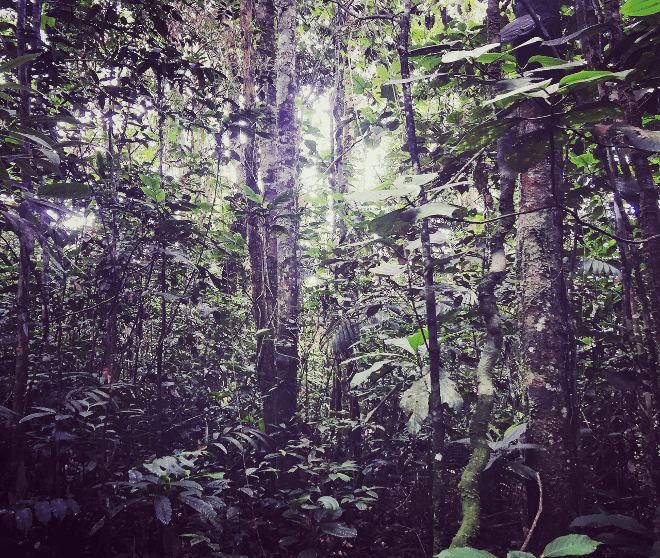
My own research and creative practice involves deep engagement with the relations and languages of plant life that compose forest-worlds. For well over a decade, I have been living with and learning from forests and the Indigenous communities who defend them. My work traces forests and their nomenclatures through colonial pasts, wars, and deforestation crises, including through direct engagement with plants like coca in Colombia. Coca, deeply connected to war, orients the future for Indigenous communities, embodying the relations that connect Indigenous communities to the origin of language and orient their relations with the diverse life-forms thriving in forests. By engaging with plants, we can reclaim their ceremonial origins and decolonise our gaze through embodied languages of encounters and collective emergence.
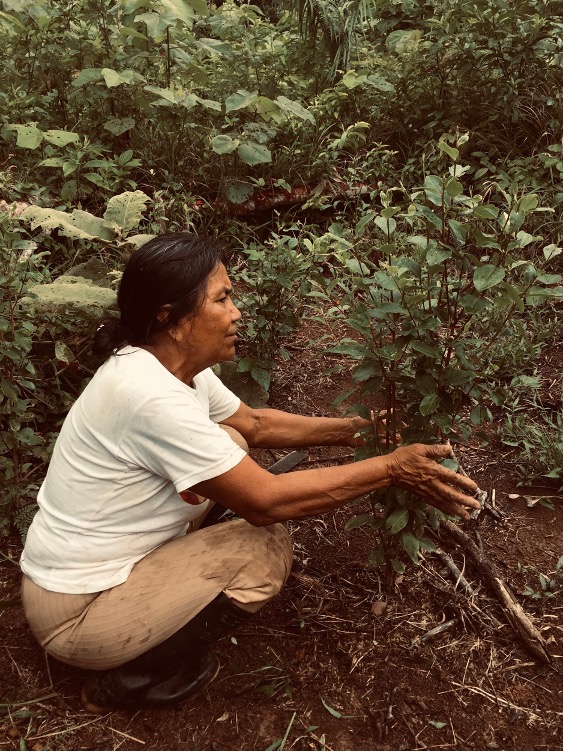
In my forthcoming book, Rastrojo / Re(in)surgent Forests, I delve deeper into these themes, exploring how we can learn from forests to cultivate a grammar of forest futurities embodied in relations and oriented toward collective resurgence. Through language that decolonises our gaze and delves into the grammars of forest futurities, the book traces the contours of war and ecocide. These works cultivate a reparative relationality with forests and generate the conditions for decolonising forest futurities. This work, like much of my practice, emerges from deep collaboration with Indigenous communities, writers, poets, and forest defenders through the collective Paz con la Selva, which I founded to foster decolonising forests through creative practice.
Through the Re(in)surgent Forests project, which I curate, we work to reclaim the relations and languages of lost forest futures. It emphasises reclaiming Indigenous languages and relations with forests and plants disrupted through war and colonisation. Through films, installations, literary works, and Indigenous film collective collaborations, we explore what we can learn from plants to repair and reclaim futures grounded in Indigenous epistemologies.
Learning from and engaging plants requires openness to the embodied language of relations. Learning to listen to plants opens to resurgent grammars of dissent and collective flourishing. In the face of intensifying ecocide and the rupturing of human-plant relations, we must repair connections ruptured by colonial language and epistemologies. By engaging directly with plants as co-conspirators, we can chart new languages of collective resurgence grounded in reparative relationality with plant worlds. This involves decolonising our gaze, dissolving conditioned orientations of colonial language to open ourselves to lost futures that come together in response to ongoing colonisation.
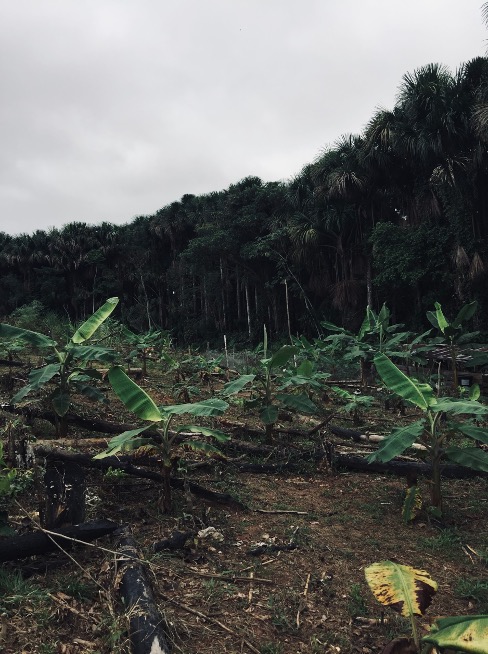
As co-editor of creative works for the Plant Perspectives journal, I am eager to convene a community of writers, poets, creatives, Indigenous communities, and defenders and guardians of plants to join in forging relations and languages of co-existence conceived in relation to plant-worlds. I’m interested in creative interventions that tend to colonial ruptures, works grounded collective emergence that engage plants directly in forms of co-resistance, cultivating embodied languages of collective resurgence. This is an invitation to learn from plants and experiment with diverse forms that emerge from deep listening and embodied encounters with plant-worlds. It is a call to decolonise our relationship with plants, disrupt colonial inscriptions, reclaim Indigenous epistemologies, and forge co-futurities with plants. Our collective futures depend on cultivating a reparative relationality with plants and languages that orient us towards futurities grown from destruction.
 whitehorsepress
2 thoughts on “Decolonising Plant Relations Through Creative Practice”