In this blog, linked to her recently published article in Plant Perspectives, entitled BETWEEN GRAZING AND GATHERING: PLANT KNOWLEDGES, BELONGING AND BECOMING IN THE SWISS ALPS, Maria Kernecker explores how plants can provide a way in to a landscape. Through plants, she learned ‘to trust my own observations, the relationships I am entangled in, entering new spaces through plants’.
When I moved to northeastern Germany in 2016, I thought I would be here as a postdoctoral researcher for two, maybe three years. Almost a decade later, I am unexpectedly still here. My daughters are at home in these lowlands, this humidity, this way of speaking. The flatness here no longer feels as flat as it initially did. Even slight inclines feel like veritable hills by now. I resisted feeling at home here for a long time and was dead set on getting back into some mountain landscapes, where I feel as one with the pastures, the peaks, around me. But the plants drew me in.
This is the countryside. My surrounding agricultural fields, forest patches, kettle holes and sandy roads pulled me out and called me to enter their world. The spring bird song entered mine, as did the accompanying buds and leaves of the hawthorn shrubs, unfurling with the longer days. As my walking radius widened over time, I stumbled upon and then started regularly following an old GDR train line, basically hidden by a long overgrown thicket. Along its verges, I found a perfect spot to harvest the wild version of lamb’s lettuce (Valerianella locusta) at the height of spring. I added this to salads of young dandelion (Taraxacum), young linden (Tilia)leaves, spotted dead-nettle (Lamium maculatum) and ground ivy (Glechoma hederacea). A month later, I encountered a patch of fat, juicy asparagus. I returned daily to harvest a few more asparagus stalks to accompany our family’s dinner, relishing its fresher, wilder taste than the white spears sold at the stand down the road. Next were wild gooseberries and then all different kinds of plums. When those were nearly all harvested or fallen and decomposed on the grassy undergrowth, I went for the plump, red, hawthorn berries and rosehips. These I added to apple cider vinegar and honey to make my ‘oxymel’ potion that is supposed to ward off cold viruses in the winter.
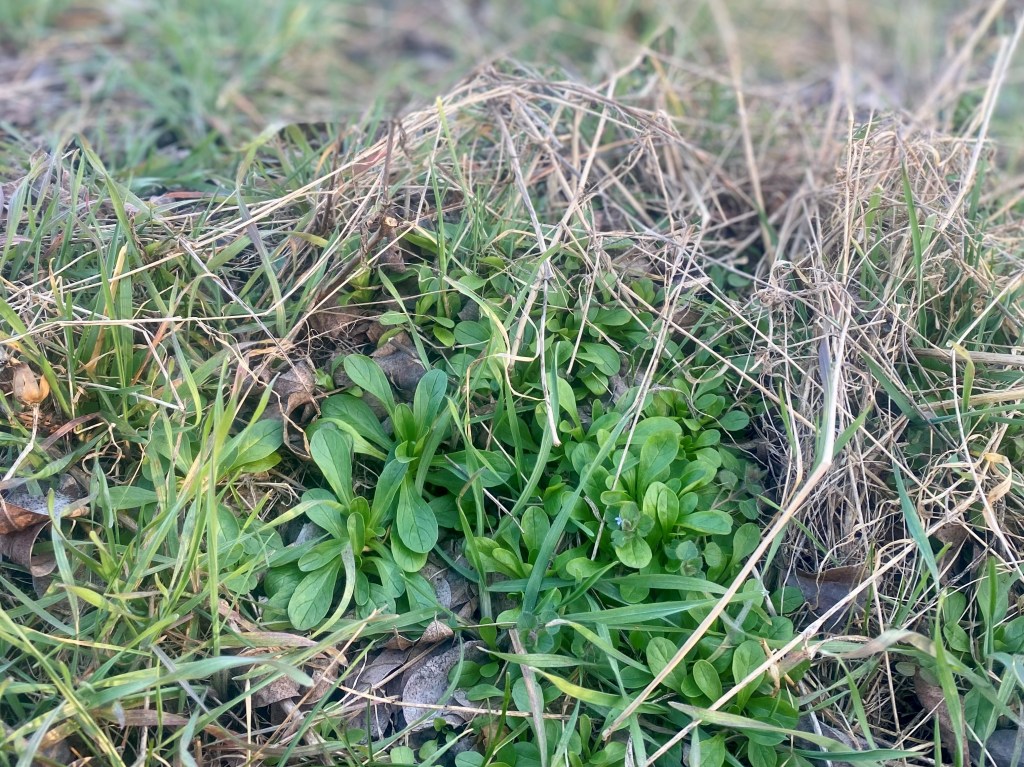
Going on my walking rounds nearly daily, observing carefully what was ready for me or not has unexpectedly rooted me to this place, this flat landscape, despite all my resistance. It is the delight of foraging that I have brought with me from my days of herding sheep and cows. That was where I first became absorbed by the stillness of paying attention to the world around me. It is precisely this that distracts me from the social and political discomforts that accompany rural life these days.
The subtle joy of observing plants, learning if and how I can consume them, opened a portal to see changes in how farmland is used, how landscapes are changed by that, and then also to seeing and hearing the landscape with heightened senses. Birdsong, wind, leaves rustling have become the soundtrack to my thoughts. It feels so enchanting, but I know it is nothing novel. So many writers, naturalists and ecologists have rigorously addressed different ‘entry points’ to actually perceive landscapes and the world around us and have rhapsodised about ‘learning to see’ (see, for example, Robin Wall Kimmerer’s writing). It is no wonder then, that researchers in my broad field of environmental and agricultural science work with people whose professions are intimately linked to the land, to being outside, and whose livelihood depends on paying attention. Farmers, beekeepers and shepherds sense so much of the landscape around them because they also see it through the plants, through the bees and the feeding of livestock. Together with traditional herders in Hungary, Molnar et al. (2020) found that cows can distinguish 117 plant species. A later review categorised what herders paid attention to, including botanical features of plants like nutritional value, phenology, size and smell, matching these to livestock behavior during grazing. The authors highlight how, unlike scientists, herders do not use the term palatable to describe forage but recognise the temporal aspects of plant preferences among livestock that they observe (Sharifan et al., 2023). As I wander through my landscape, I too follow temporal patterns and stay attuned to different plants over time and seasons, shades of light and temperatures, times to harvest, and times to forget the flowering plants or decomposing fruits.
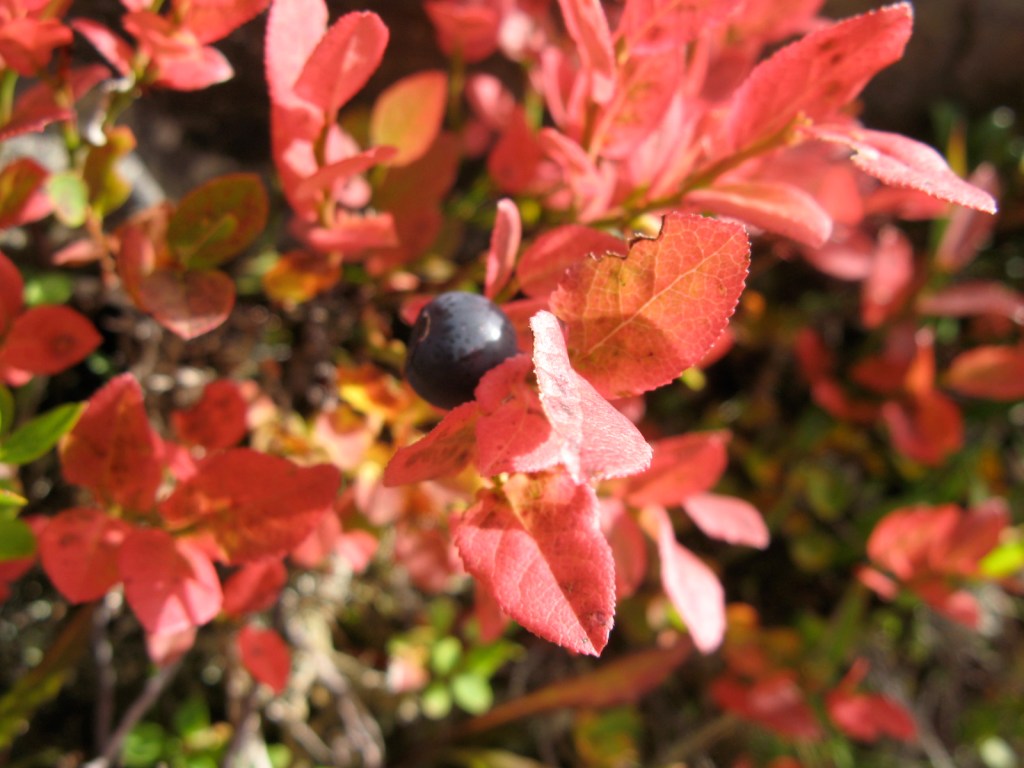
Sometimes I wish I had grown up following animals around, becoming accustomed to them and how they interact with the landscape around them. Seeing it through their eyes. Seeing a landscape by really knowing plants. As someone largely socialised in a North American suburban urban world, I had to seek out these opportunities elsewhere. And this, even if part of my socialisation meant being immersed in a social memory of Basque shepherds. They were the ones who had made their marks on aspens throughout the wild lands of Idaho and Nevada while they stayed with their herds of sheep in those remote places. While I was still living there, I hadn’t thought of looking at the landscape through the sheep or even the cattle grazing across those sagebrush (Artemisia tridentata) landscapes, or to pay more attention to what grew there. It was only after I was herding in the Alps that my gaze changed.
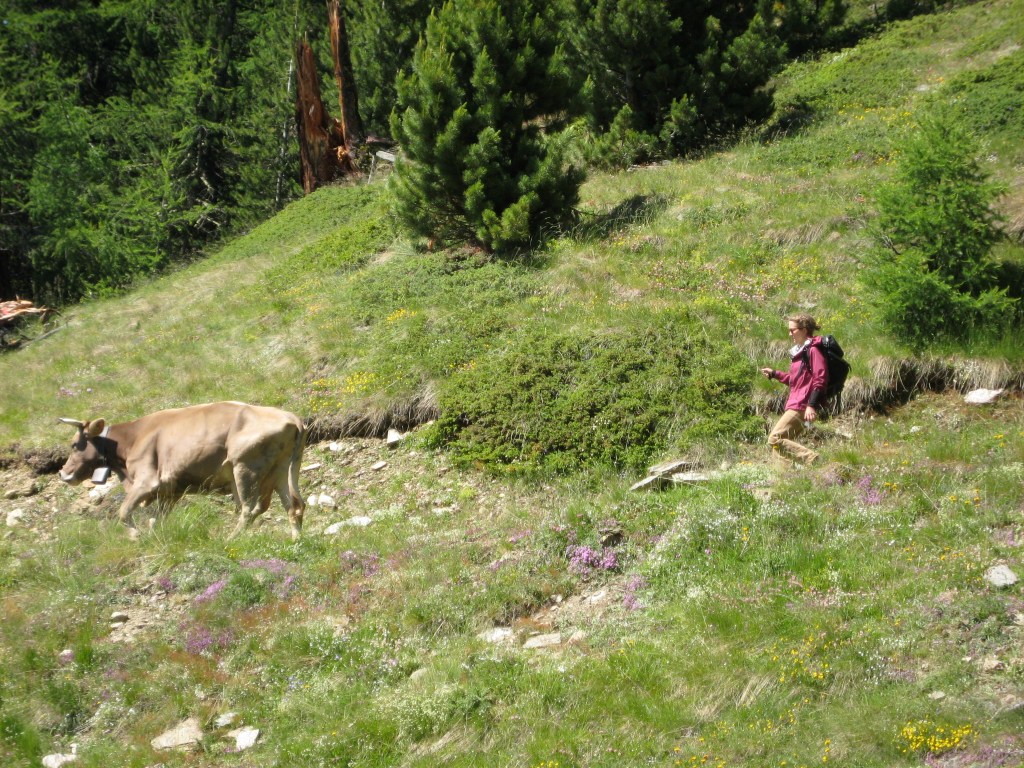
and night pastures, Valais 2009. Photo © Olaf Mayer.
This gaze has been my portal to belong here too, a least a little. In certain unplanned moments I feel this landscape has also become mine. There is pastoralism here too. Shepherds with a thousand sheep, passing over recently harvested fields, allowing the animals to feed on stubble. Even more sheep are used on extensive grassland that grows around this area in the northern German plain. Some mobile shepherds live in small trailers and move around with their sheep. Others put up temporary fences and leave their sheep with guard dogs for a couple days before moving them elsewhere. It is a dwindling livelihood, like everywhere (Mathias et al., 2022). I know so little about German pastoralism, what it means to be a ‘real’ shepherd here, circling through each year, in and out, with these animals, in these spaces. I have kept the Alp as a delectable oasis of the mountain-animal-plant nexus amongst the desert of everyday-computer-work-life. In real life, and in my mind.
With my article, I wanted to trace my journey into the Alpine landscape through plants and animals. I wanted to map where this relationship came from. I wanted to push through barriers that limited my thinking about biodiversity conservation in agricultural landscapes. I wanted to try another way of writing-thinking-reading. This process took me into new-to-me disciplines, new-to-me ways of thinking about and studying what reality is and how it can be understood. It took me by the hand to think about my and others’ boundaries between their different versions of self, different versions of their roles. It reminded me that my life and the more-than-human relations and life that I study are not even that distinct from each other. I learned to give up those boundaries between myself and my work. Instead, I could trust my own observations, the relationships I am entangled in, entering new spaces through plants.
References
Molnár, Z., A. Kelemen, R. Kun, J. Máté, L. Sáfián, F. Provenza, S. Díaz, H. Barani, M. Biró, A. Máté and C. Vadász. 2020. ‘Knowledge co‐production with traditional herders on cattle grazing behaviour for better management of species‐rich grasslands’. Journal of Applied Ecology 57 (9): 1677–87.
Mathias, E., G. Czerkus and A. Schenk. 2022. The role of pastoralism in Germany. League for Pastoral Peoples and Endogenous Livestock Development, Ober-Ramstadt.
Sharifian, A., B. Gantuya, H.T. Wario, M.A. Kotowski, H. Barani, P. Manzano, S. Krätli, D. Babai, M. Biró, L. Sáfián and J. Erdenetsogt. 2023. ‘Global principles in local traditional knowledge: A review of forage plant-livestock-herder interactions’. Journal of Environmental Management 328:116966.
 whitehorsepress