Eel fisheries and environmental heritage in Northwest Denmark

In this blog, Bo Poulsen reflects on the lost culture of eel fishing, and consumption on Denmark’s Limfjord, as explored in his new co-authored article in Environment and History, ‘Seasonal Migrants and Traditional Ecological Knowledge in a Region of Risk: The Pulse Seine Fisheries in Limfjorden, Denmark, c.1740–1860‘, with Camilla Andersen (ahead of print, October … More Eel fisheries and environmental heritage in Northwest Denmark

On Remembering Resilience: Climate Change, Agriculture, and Covid-19 in 1740 and 2021

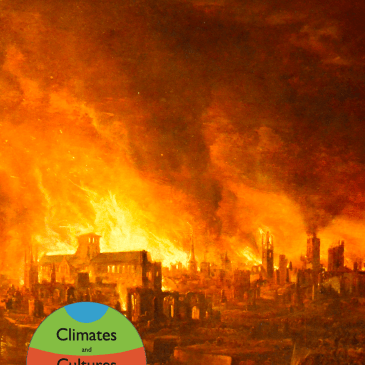
In today’s blog, Emma Moesswilde takes her recently published article in Environment and History, Practising Cold Weather: English Agricultural Discourse and Memory, 1739–1800 (online first, September 2024) as a jumping off point to discuss memory and forgetting of extreme change, and the opportunity to become a more empathetic historian. Historians who scour the past to … More On Remembering Resilience: Climate Change, Agriculture, and Covid-19 in 1740 and 2021

Environment and History’s 30th birthday!

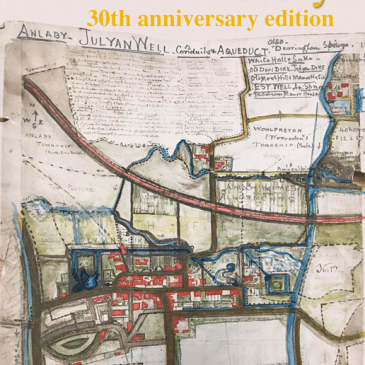
This blog is the editorial to the just-published 30th anniversary issue of Environment and History. The issue contains loads free-to-read and Open Access content so do take a look. Here’s to the next 30 years! This issue marks the thirtieth anniversary of the founding of Environment and History, one of the longest established international journals in … More Environment and History’s 30th birthday!

Our Common Past: When it All Started for ESEH…

In this blog, originally published as an ESEH Notepad in Environment and History, Chloé Vlassopoulos interviews Verena Winiwarter about the history of the European Society for Environmental History. Text edited by Roberta Biasillo, Jonatan Palmblad and Wilko Graf von Hardenberg. In 2019–2021, ESEH president Marco Armiero launched a new initiative: a history society should have … More Our Common Past: When it All Started for ESEH…

WHP / Global Environment Poster Prize Winner – WCEH Oulu 2024

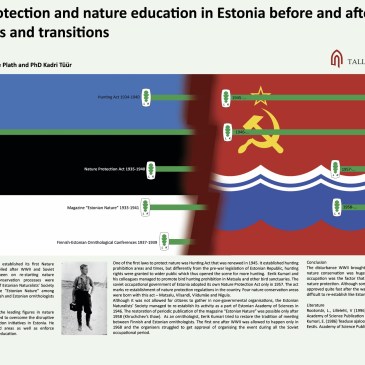
The White Horse Press was delighted to sponsor the Global Environment poster prize at the recent World Congress of Environmental History in Oulu. The winning entry by Silvia Lotman of Tallinn University was selected from the poster exhibition by judges Claudia Leal, an environmental historian of Latin America who is full professor at the Department … More WHP / Global Environment Poster Prize Winner – WCEH Oulu 2024

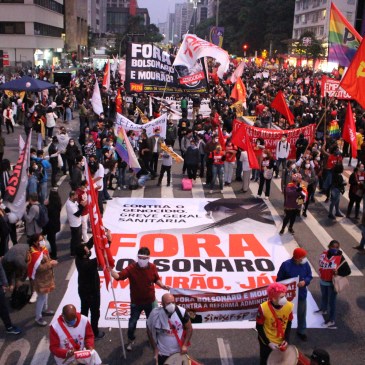
FACING ENVIRONMENTAL DENIALISM: LESSONS FROM THE BOLSONARO NIGHTMARE

To mark the opening of the WCEH in Oulu, a truly global gathering of environmental historians, we are republishing José Augusto Pádua’s ICEHO essay from Global Environment (June 2024). Pádua reflects on Brazil’s momentous 2022 election – ‘a time for the historian to close the books and take to the streets’ to make a stand … More FACING ENVIRONMENTAL DENIALISM: LESSONS FROM THE BOLSONARO NIGHTMARE

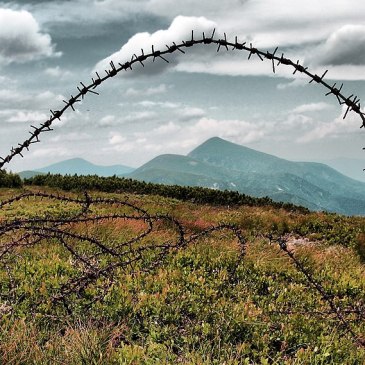
BURNED OIL RIGS AND CUT WOODS: THE ENVIRONMENTAL DIMENSION OF THE FIRST WORLD WAR ON THE EASTERN FRONT

In this blog, formerly published as a ‘Snapshot’ in Environment and History (May 2024), Iaroslav Golubinov explores the impact of World War One on the environment of the Eastern Front in Europe. The impact of war on the environment is undeniable. In the twentieth century, large and small conflicts have caused severe damage to nature, … More BURNED OIL RIGS AND CUT WOODS: THE ENVIRONMENTAL DIMENSION OF THE FIRST WORLD WAR ON THE EASTERN FRONT

Mimicking Lyrebirds in Multispecies History

In this blog, originally published as a ‘Snapshot’ in Environment and History (May 2024), Ruby Ekkel investigates Superb lyrebird mimicry and its evolution due to environmental change and human intervention in their habitat. Here, the lyrebird is a multispecies historian, whose imitations provide mediated insights into the changing ecosystems of which it is part. On … More Mimicking Lyrebirds in Multispecies History

Decolonising Plant Relations Through Creative Practice

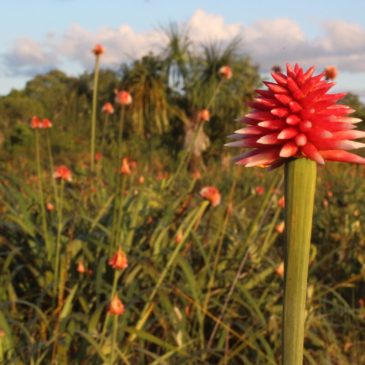
In this blog, Kristina Van Dexter, Creative Submissions co-editor (with Prue Gibson) of Plant Perspectives reflects on her deep engagement with the relations and languages of plant life that compose forest-worlds. Listen closely to the language of the forest – the decay and decomposition, the generative relations of fungi and roots, the rhythmic comings and … More Decolonising Plant Relations Through Creative Practice