In this blog, Kristina van Dexter, one of the Creative Submissions editors of Plant Perspectives reflects on the ‘Peace with Nature’ theme and plant iconography of last month’s COP16 in Colombia and urges the importance of ‘moving past metaphor’.
The 16th Conference of the Parties (COP16) to the United Nations Convention on Biological Diversity concluded earlier last month in Colombia, where representatives gathered to respond to our global diversity crisis. Under the theme ‘Peace with Nature’, discussions centred on ending and reversing future diversity loss – though the most profound outcomes emerged from plants themselves, and the Indigenous communities who cultivate deep relations with them.
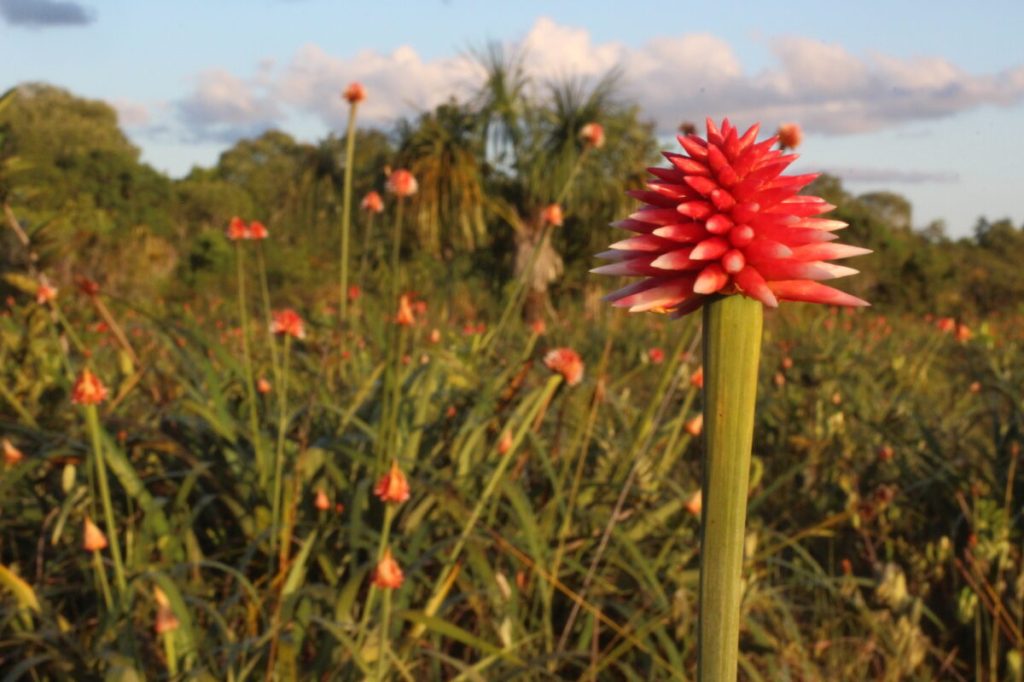
The conference’s emblem of Colombia’s Inírida flower points toward future paths for ‘peace with nature’. The Inírida, known as the ‘eternal flower’ for its capacity to grow in extreme conditions and retain form once cut, offers a profound metaphor for resilience amid our concurrent crises of diversity loss and the deaths of Indigenous defenders. Yet resilience lies not in preservation, but in generations-old relations between communities and plants. These relationships demonstrate ongoing epistemologies involving intergenerational learning from plants that contribute to forest diversity. The Inírida flower embodies these threatened connections between Indigenous communities and plants – connections from which forests grow. When we lose Indigenous defenders, we lose entire worlds of plant-human dialogue that took generations to cultivate and offer crucial guidance for navigating our current crises.
Colombia, the host country, embodies a profound paradox. In one of the world’s most diverse countries, rates of forest loss continue to rise alongside the loss of Indigenous defenders. These losses extend to the diverse epistemologies that compose living forests – embodied in Indigenous communities’ cultivation practices and ceremonial contexts where learning emerges through direct dialogue with plants.
The COP16’s outcomes offer progress with the establishment of a historic Permanent Subsidiary Body including Indigenous peoples in future conservation decisions and the recognition of their epistemologies and relationship to forest diversity. Yet in Colombia, where diversity loss and forest destruction intertwine with ongoing conflict, colonisation, coca cultivation for narco-trafficking and the deaths of Indigenous defenders, ‘peace with nature’ demands more than institutional interventions.
Learning from Plants Through Creative Practice
Through immersive experiences and creative interventions, Indigenous communities and creative collectives demonstrated how to decolonise forest relations while celebrating the diversity of plants and practices from which they grow.
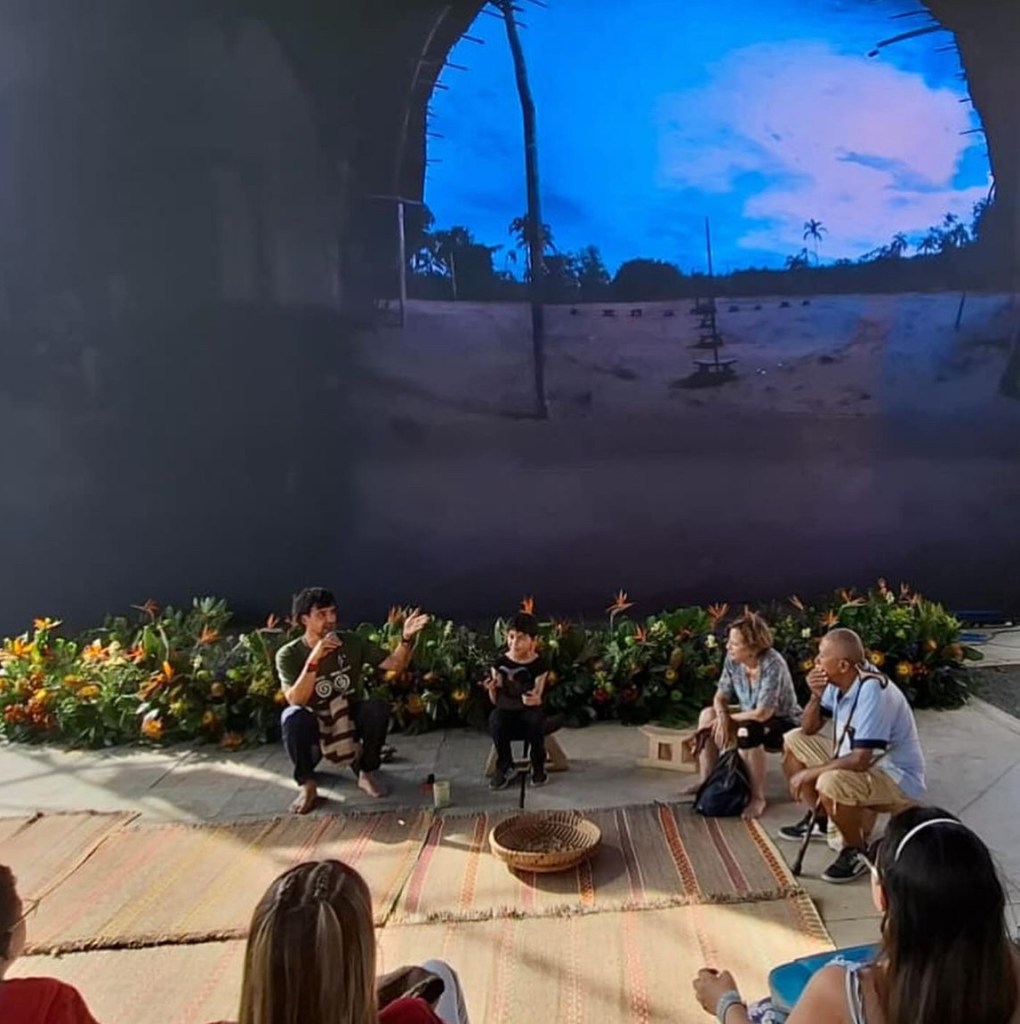
Coca Files, an immersive experience presented by 4Direcciones and led by Diana Rico and Richard Decaillet, offers a counterpoint to prevailing war doctrine while illuminating coca’s central role for Indigenous forest defenders. Their archive, developed over two decades of collaborative work with Indigenous communities, demonstrates how coca – a plant central to forest relations and epistemologies – is entangled in forces threatening these forests and their defenders. For these communities, coca orients relations with the forest over generations. In ceremonial contexts called mambeaderos, Indigenous knowledge emerges through direct dialogue with the plant. 4Direcciones recreated this experience, demonstrating how repairing and reclaiming Indigenous relations with coca is critical to orienting our collective futures.

Martha Hincapié Charry’s ‘Jaguaring’ live performance and film projection, presented at COP16’s closure, embodies the jaguar in a collective exploration of our diversity crisis, tracing losses to the erosion of Indigenous relations and knowledge. Charry, a Colombian performer and curator, merged ANTHROPOMORPHA and AMAZONIA 2040, inviting public participation in collective futuring. The performance prompted reflection on our fatal disconnect from other-than-human life-worlds while centering Indigenous ways of knowing. ANTHROPOMORPHA foregrounds relational contingencies through colonial pasts, precarious present, and open-ended futures, while AMAZONIA 2040 confronts forest diversity loss and ongoing threats to Indigenous communities. Through this work, Charry created an immersive experience of reconnection.
Peace with Nature
‘Peace with nature’ requires repairing and reclaiming Indigenous communities’ plant relations – connections embodied in knowledge and practices passed down over generations through ceremony and creative resistance. During COP16, Indigenous and creative practitioners demonstrated these living relationships through performance, film and immersive installations. Their work documents both destruction and resistance, engaging plants relationally and often drawing from ceremonial contexts to foster collective learning. The path forward requires moving past metaphors to centre these relations in conservation frameworks that recognise plants as co-creators of our collective futures.

