This blog gathers together the eight shortlisted photographs from the Commission on Nomadic People’s first photo contest, launched in 2025. While highlighting Danko Taborosi’s strong and beautifully composed winning entry, this photo essay reflects jury members’ acknowledgement of the visual quality and ethnographic depth of the shortlisted entries, as well as the diversity of nomadic and pastoral peoples and contexts worldwide. It will later be published in Nomadic Peoples, and the winning entry will feature on the journal’s cover. All portraits of identifiable subjects were taken with the subjects’ consent. We hope this will inspire readers to submit their images and captions to the next Nomadic Peoples photo contest, to be announced in December 2026.
Winner – Danko Taborosi
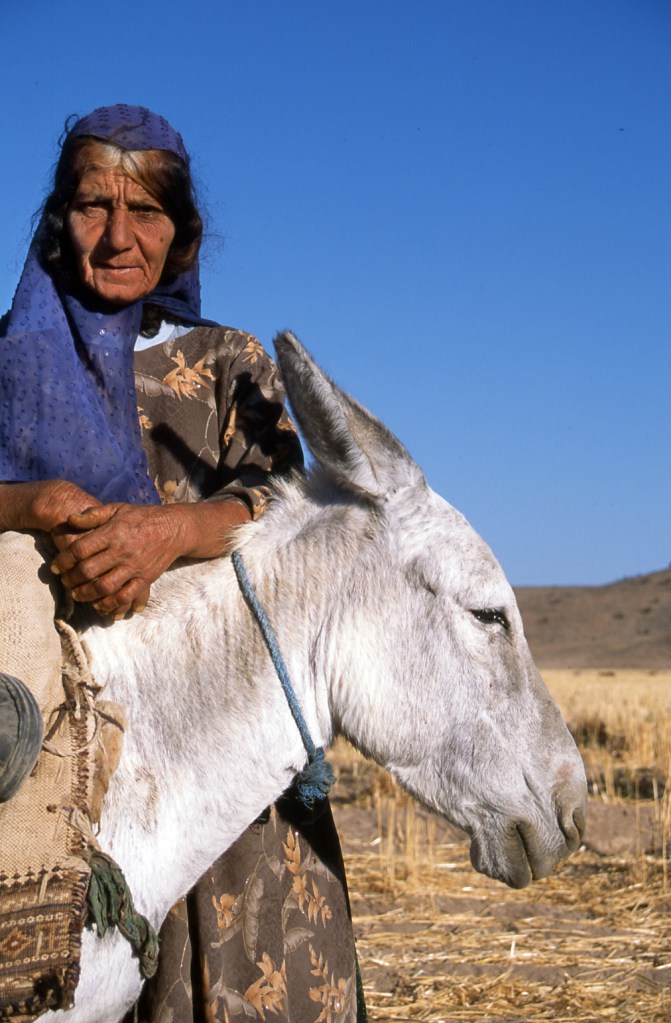
In the summer of 2003, I met a family of Kordshuli nomads at their pastures on the high altitude plain near Pasargadae, in Fars Province, Iran. Carried along by the legendary hospitality of the Iranian people, a serendipitous encounter turned into a few days’ stay beneath the family’s graceful black tents. When the warm afternoon light enticed me to take out my camera, family members eagerly gathered to be photographed. The last to pose was the grandmother, Mehrafrooz, who exuded remarkable strength and authority within an otherwise strongly patriarchal society.
Exactly twenty years later, I was able to reconnect with the family and share the photographs with them. They reflected on countless memories, both joyful and painful. Some relatives had since passed away; others had found employment and settled permanently. Yet the heart of the family remains on the pastures, and their way of life endures, resilient but aging, like the spirit the grandmother radiated so many years before.
Runner-up – Sudip Maiti
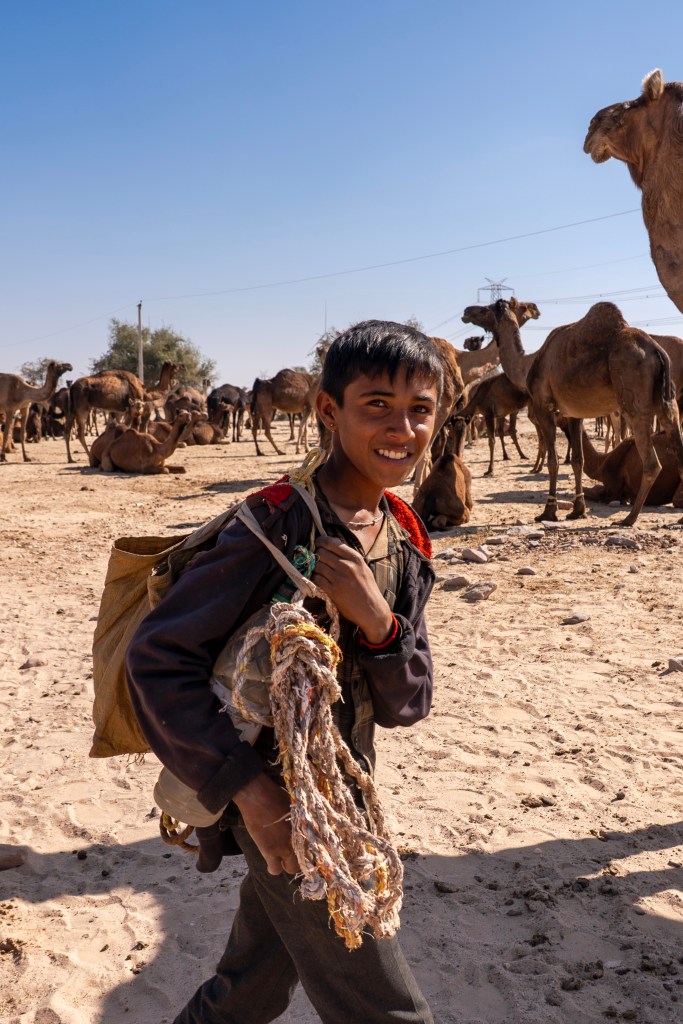
This photo was taken in the village of Rasla, Rajasthan, India on 11 January, 2026 . This young man is the son of a nomadic pastoralist who herds camel and sheep in the Thar desert. I took this photo when the family came to a field where camels had been assembled for a water drinking session. The traditional way of herding is fast disappearing in the Western region of India and could vanish forever due to changing culture, and expansion of renewable energy and agricultural development. I took this image because I was surprised to see a face of a new generation of herders who are still interested in this profession.
Runner-up – Sacha Mouzin
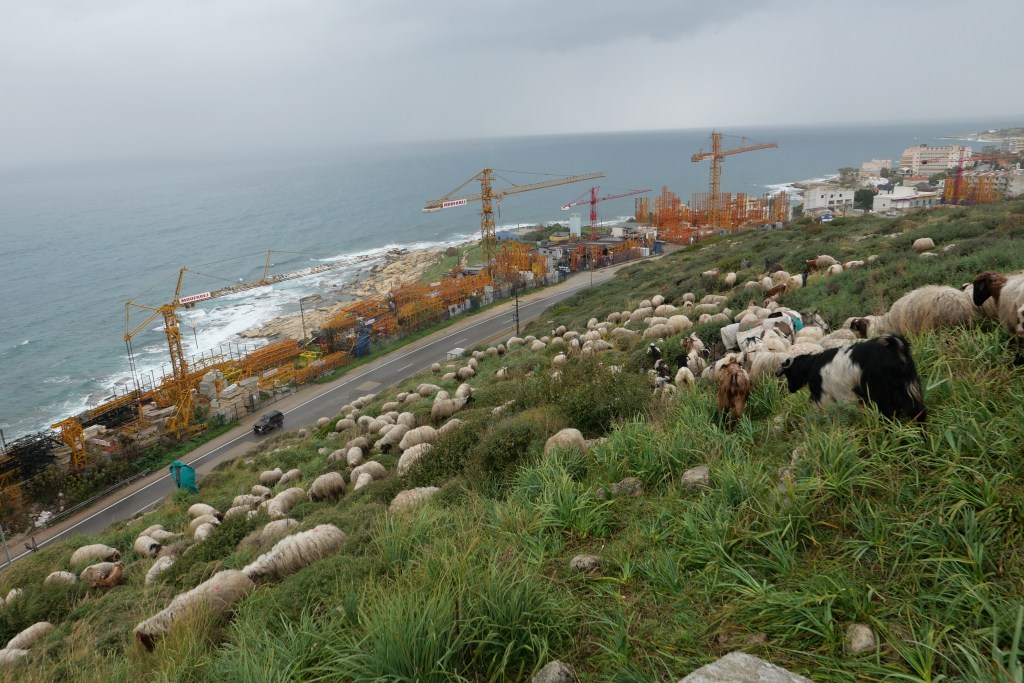
Grazing Concrete. This picture was taken in February 2024 in the Mount Lebanon mountain range while conducting fieldwork for my PhD in anthropology, living and working with one family of semi-nomadic herders for twelve months from 2023–2024. The family was originally from Hrajel, one of the last villages in Mount Lebanon where families are still transhumant, herding goats and sheep, moving between the Jurd, or high mountains, in the summer, and the coast in the winter. Faced with rampant urbanisation, severe economic crises, challenges of the war and related land inflation and pollution, pastoralists have had to adopt a vast array of strategies to access an increasingly scarce land. Such strategies include grazing by the side of roads and motorways, as illustrated in the picture, as well as in the abandoned gardens or orchards of the rich Lebanese diaspora. Pastoralism’s adaptability is hence made most manifest in such context of winter grazing in urbanised and overpopulated environment, on the fringes of ever-encroaching roads and buildings yet perduring still.
Short-listed – Marc Foggin
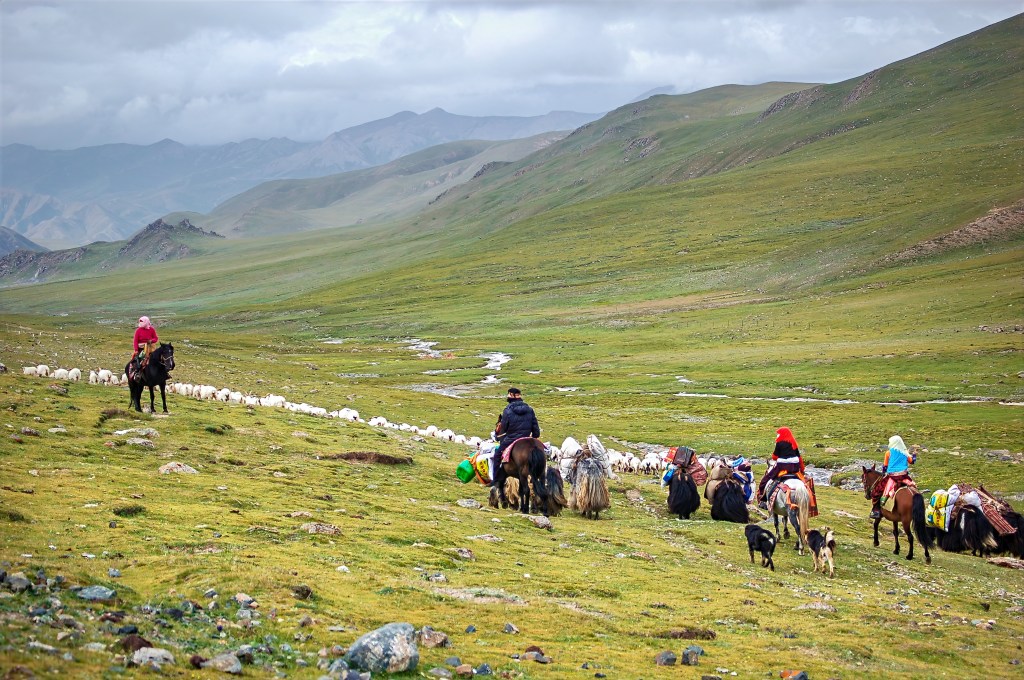
Seasonal Migration on the Tibetan Plateau, August 2009. A Tibetan pastoralist family moves with its livestock across the high grasslands of Maduo County in the Sanjiangyuan region of the Tibetan Plateau. I photographed this scene during one of the many long journeys my family and I made while living and working in Qinghai Province. Reaching our project sites often required two or three days of driving across the plateau, and encounters such as this were a familiar part of travel in the region. Although I did not know this family personally, many of our closest colleagues and friends were pastoralists living in similar circumstances. Over more than a decade in the region, we spent considerable time visiting Tibetan herding communities, staying in tents and homes, discussing conservation and development challenges, and learning how mobility remained central to life on these vast rangelands. Seasonal movements between pastures are not simply a means of finding forage for livestock. They reflect generations of ecological knowledge, adaptation to a harsh and unpredictable environment, and enduring cultural ties to the land. The photograph captures a way of life that has shaped the headwaters of Asia’s great rivers for centuries. For me, it also recalls the countless conversations we had on the grasslands and the hospitality of communities whose knowledge and stewardship helped me better understand both the landscape and the people who call it home.
Short-listed – Oyundalai Odkhuu
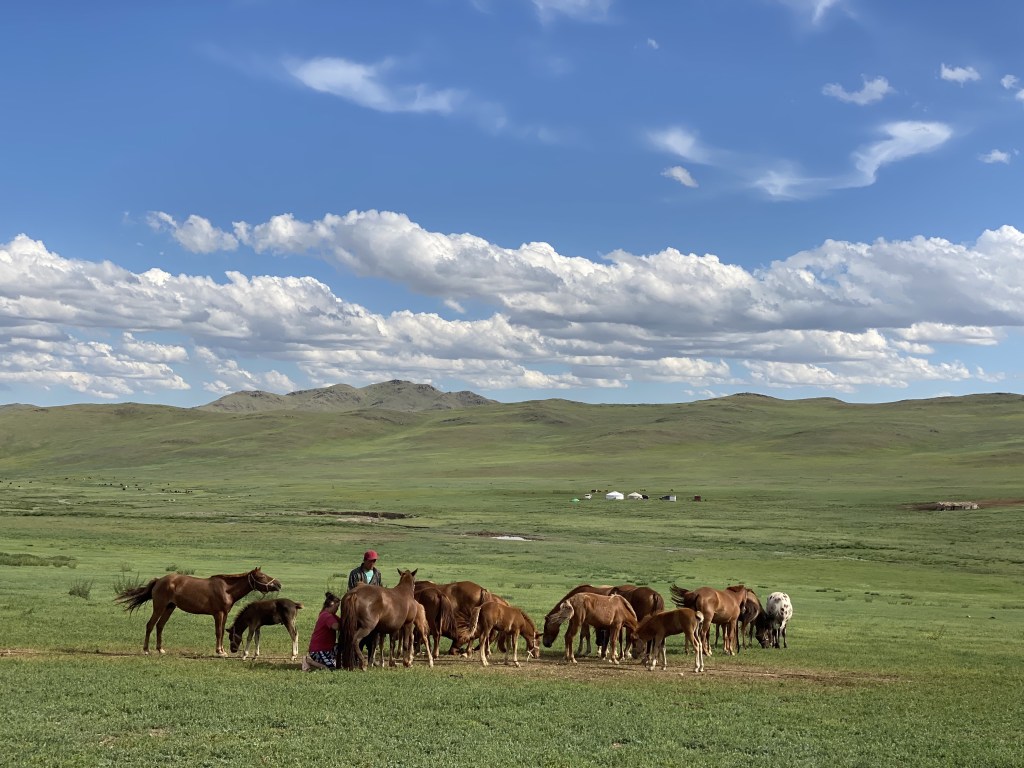
I took this photograph during my fieldwork in Bayan-Undur soum, Ovorkhangai Province, Mongolia, in July 2025. It shows young herders milking mares during the summer season. Mare milking is one of the main daily activities for herding households at this time of year. Mares are typically milked every two hours throughout the day. In the morning, foals are tethered to prevent them from nursing, allowing milk to be collected, and they are released again in the evening. Fermented mare’s milk (airag) has long been one of Mongolia’s most important traditional beverages, and its production becomes a central activity for herding households during the summer months, usually from July until late September.
Short-listed – Matthew Porges
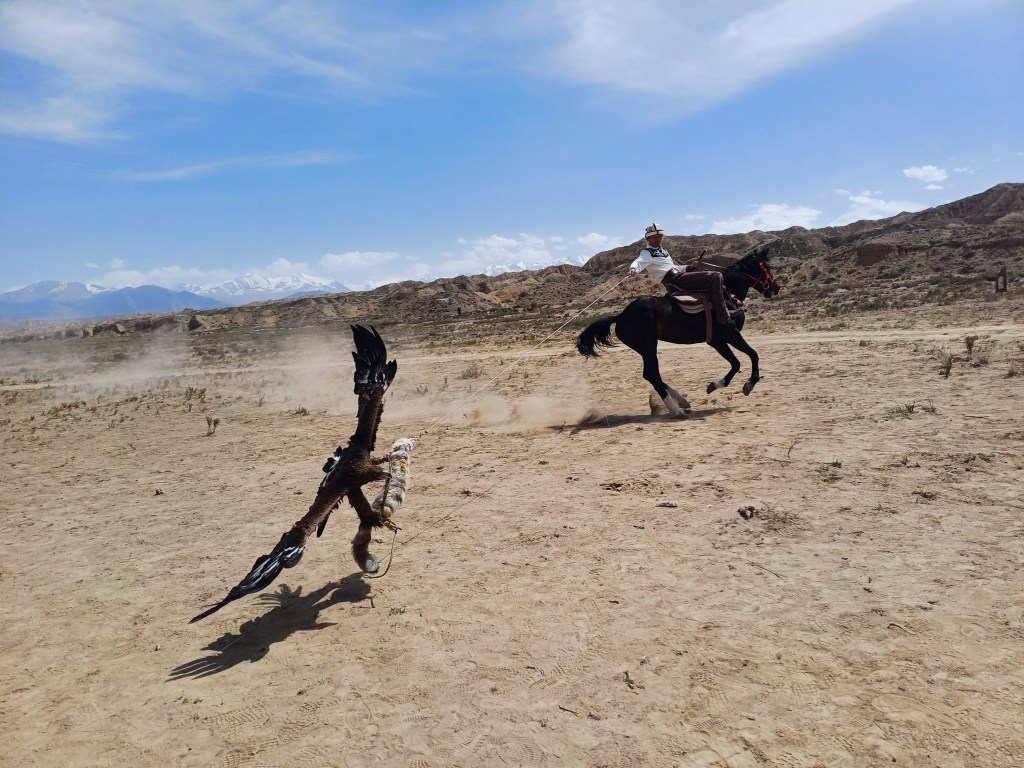
Issyk-Kul, Kyrgyzstan, 2025. Kyrgyzstan has a long tradition of nomadic co-hunting between humans, horses, and golden eagles. The bond between an individual human hunter and an eagle can last decades, involving extensive training in order to build familiarity and an understanding of mutual tendencies, abilities, and skillsets. Today, the practice survives mainly as a basis for cultural identification, a competitive sport, and an attraction for tourists. Here, an experienced falconer, or burkutchu (бүркүтчү), trains a golden eagle with the carcass of a jackal. This photograph was taken near Lake Issyk-Kul, in the Tian Shan mountains, among summer pastures that have long been central to Kyrgyz nomadic life.
Short-listed – Rebecca Soliman
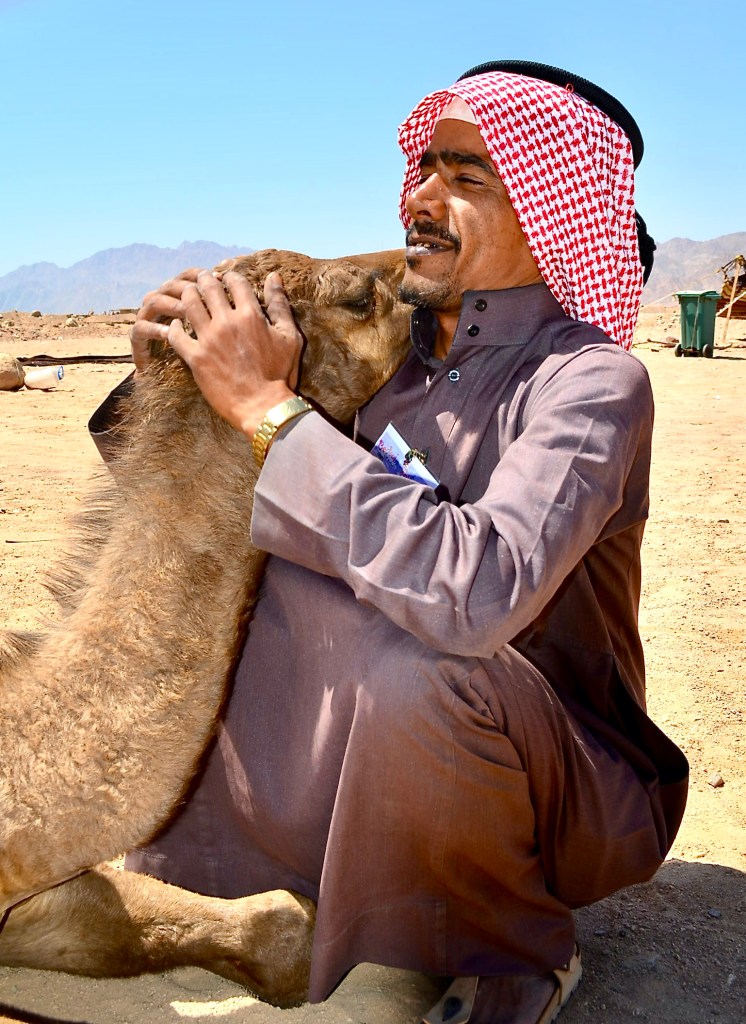
Egypt’s Sinai Peninsula is home to half a million people of which 300,000 to 400,000 are said to be Bedouin spread over the two Sinai provinces, North and South Sinai, encompassing more than 20 different tribes. Bedouins are considered direct descendants of the historical A´raabs, nomadic farmers and tradesmen, the so-called Arabs of the modern days. They remain strongly tied to their ancestral origins and preserve, to some extent, their nomadic lifestyle and traditions. In 2012, the city of Dahab in South Sinai held its first ever Bedouin Festival with Saleh Moussa (in the picture) from the Mezina tribe as the organiser. He said: ;With growing concern over loss of identity amongst the younger generations, festivals such as this one spotlight the importance of preserving the Bedouin life as well as increasing the awareness on Bedouin culture for foreigners. For this reason, the festival will help visitors as well as Bedouins themselves to understand our culture like food, medicinal herbs or the tradition of camels and camel races.’


One thought on “Commission on Nomadic Peoples photo contest 2025 – Photo essay of short listed entries”