In this blog Shelley Kolstad evokes the sensory and embodied experience of the fieldwork site that inspired her article in Plant Perspectives (online first May 2026), ‘Between the “Outlier” and “the Dead”: Ethnographic and Phenomenological Encounters with a Mangrove Community’.
In January this year I returned to the Daintree to visit the mangroves that are the focus of my paper ‘Between the ‘Outlier’ and ‘the Dead’: Ethnographic and Phenomenological Encounters with a Mangrove Community’. The Far North Queensland wet season was in full swing, the weather hot and humid and the rain torrential and eternal. A cacophony of sounds coming from standing pools of water, originating mostly from frogs, repeated through the slow muggy hours. Misty tree-lined creeks in the territory of the terrestrial tropical rainforest which lived behind the mangrove community were endlessly inviting and difficult to resist, but for the reminder this was crocodile territory.
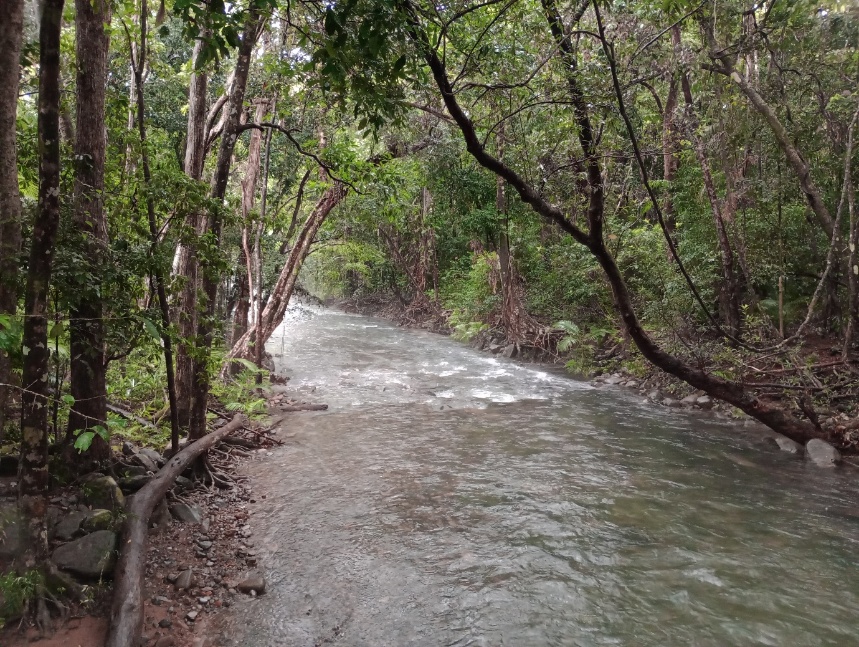
Image 1: Tree lined creek in the Daintree, 25 January 2026. Source: author.
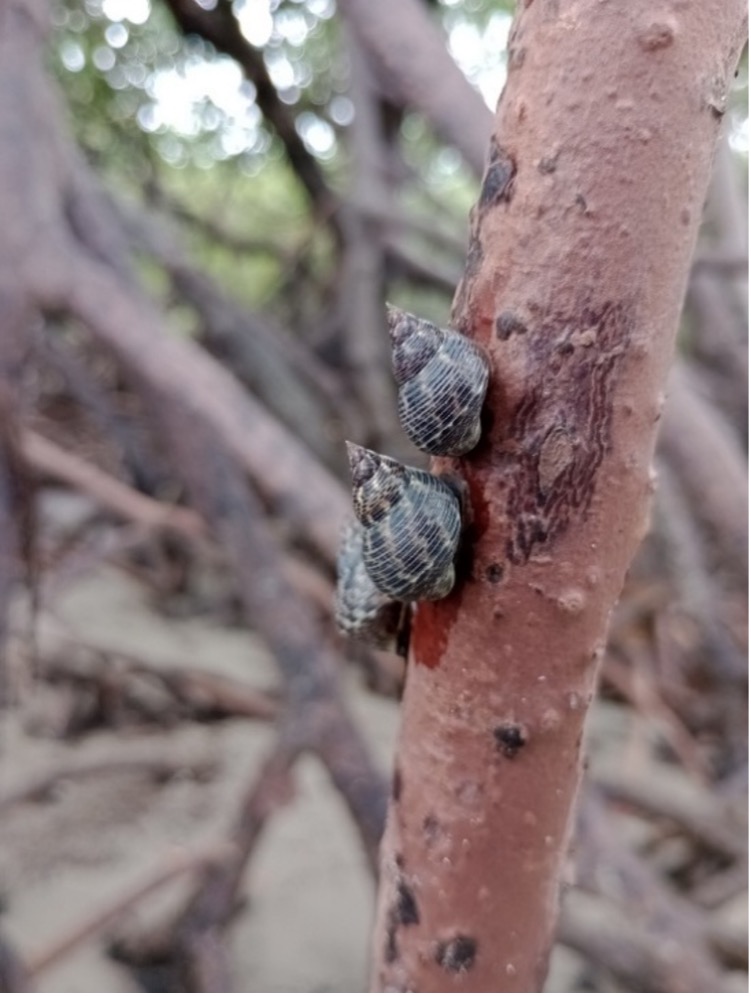
| In the January heat it was tiring to stand out on the small stony headland occupied by the mangroves and so one morning I sat on a chair at low tide within a tangle of red mangrove prop roots. A cool breeze was welcome, the day so far calm compared to the rain, lightning and thunder show of the previous evening. My position compelled a close perspective. A small black spider. Centipede. Insects buzzing under my hat. Fine red feeder roots from a nearby red mangrove at my feet. The song of a bird in the branches overhead. The muffled scuffle of a falling leaf. In the distance back in the rainforest the continuous croaking of the frogs. A trio of cone shaped snails sliding down the limb of a mangrove root at eye level, eliciting a smile from their human observer, wondering who would win the race. A ‘strange’ sound caused me to quickly look to the shallows nearby and I caught a glimpse of three fins moving and circling as if hunting which I managed to video record. |
In reflecting on this morning in January, my experience of fieldwork strikes me as effortless or at least easy, as it is the field that does the ‘work.’ I was not listening for the sound that drew my attention per se. Rather, it was the sound that caught my hearing and attention. The shape and positioning of the visible fins coincided with memories of photographs of sharks, or sharks seen while diving on a reef, though later research identified it potentially as a ray. Maurice Merleau-Ponty emphasises that it is the ‘physiognomy of the givens’ or the three fin shapes in the water that I saw which preceded any recall or memory that facilitated and confirmed recognition (Phenomenology of Perception, Routledge, 2012, p. 20). The three fins were moving, circling rapidly so that my body moved to follow them, to be in the best position possible to see, standing up from my chair, stepping over twisting prop roots, the shoreline waves a background noise to distinguish from the small splashing sounds made by the circling fins, my movements, my cognition in unison with the three fins, with the milieu I was now within. I was not ‘a thinker who notices a quality’, I was instead ‘synchronised with’ the three fins (Ibid., p. 219).
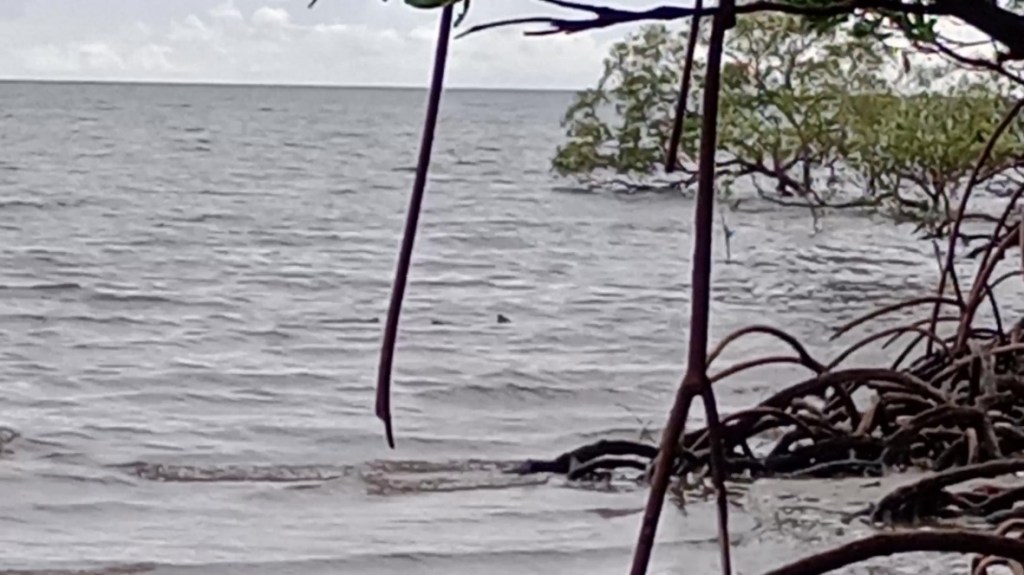
Image 3: ‘Small shark or ray – 3 fins in centre of picture’, Still from video capture, Daintree, 26 January 2026. Source: author.
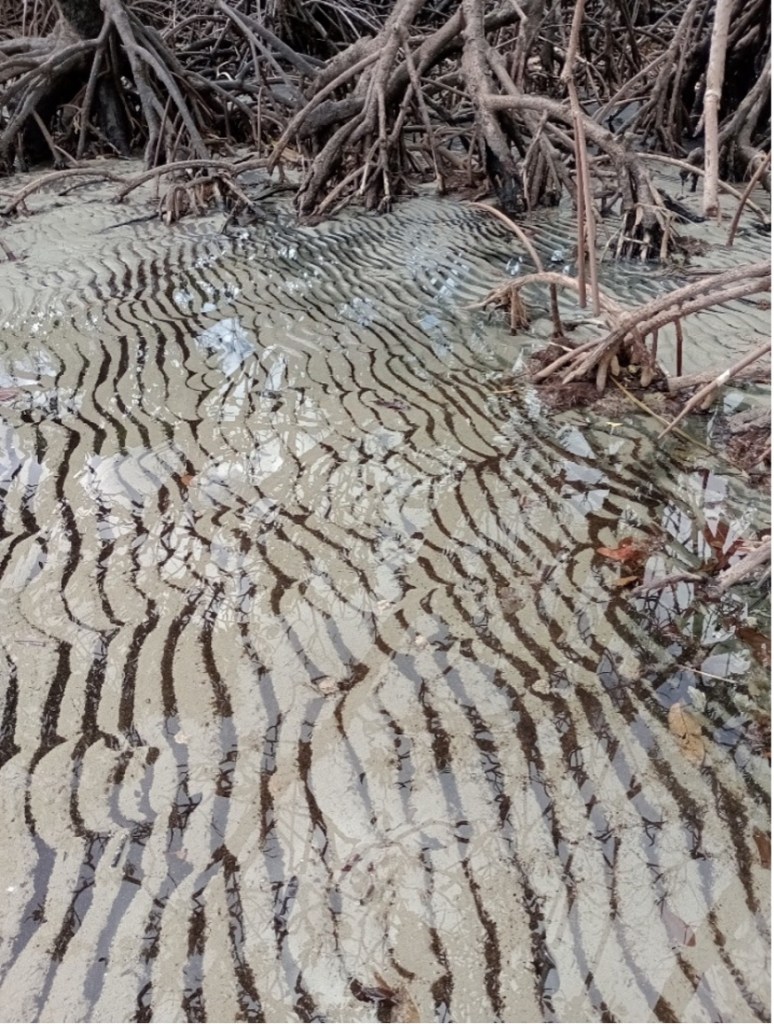
What of the red mangroves? In what way was I synchronised with them? I recall the feeling of sitting within the red mangrove community, of their bodies physically obscuring or on the other hand focusing and framing my observations between tangled roots as I shifted my gaze. Their slightly tangy scent, an occasional falling leaf, an aerial root knock knocking gently against a prop root, movement, sound and smell my body registered. Their sessile natures enlivened through mental images of their growth and their temporal (slow time) uniqueness generating a feeling of a quiet but continuously unfolding life.
Sometimes the synchronicity I have experienced with mangroves has been all too physical: the pain of a stubbed toe on a fat peg root or the piercing of the skin by a weather sharpened dead branch or barnacled bark roughing my palm as I seek to steady or support myself against a trunk.
But as always, my time with the mangroves was governed by the movement of the tide, its imminent return creating a bodily impulse to retreat to higher ground, an impulse which must be obeyed, a reminder of the wider aquatic milieu which is constant in mangrove lives and in which I am but an occasional and wary participant.

